
not featured
 
scammer at atm

How to Protect Yourself from Fraud

In our increasingly digital world, the threat of fraudulent activities is more prominent than ever. Here are some ways to protect yourself from fraudsters. 

In our increasingly digital world, the threat of fraudulent activities is more prominent than ever. Below are some ways to protect yourself from fraudsters.
 
If you're unsure of a text message, email or phone call you've received from us, contact us to verify its validity.

Paper clip envelope icon  Avoid Phishing Scams

Phishing scams are more common than ever. They're coming through email, text messages, and over the phone. Scammers can spoof any phone number or email address to make it look like they're calling, texting, or emailing from a business you trust.

Computer icon   Protect Your Accounts With Strong Passwords and MFA

Creating robust passwords and utilizing Multi-Factor Authentication (MFA) are key to fortifying your accounts against unauthorized access. These steps act as an essential line of defense, making it significantly harder for hackers to access your accounts.

Notepad iconMonitor Your Accounts

The best way to prevent fraud from happening under your nose is to keep track of your accounts and credit score. You can do this through Credit Score, by setting Account Alerts, and regularly checking your account activity in your Digital Banking.

Lock icon Protect Your Information

eStatements not only help in keeping your financial data organized but also significantly reduce the risk of your personal information being stolen from your mailbox. Additionally, always make sure to shred documents containing sensitive information before discarding them to further protect yourself from identity theft.

Target icon   Use AntiVirus Software

Always keep the software on your phones and laptops up-to-date to guard against security vulnerabilities. Using reliable antivirus software can also provide an extra layer of protection against potential threats.

Scammers are now using QR codes to trick individuals into providing sensitive information like debit card details, passwords, or other personal data. These fraudulent codes may direct you to fake websites designed to steal your information or even install malware on your device.


Fraud Blogs

Published March 27, 2025

Fraud is on the rise, and scammers keep getting sneakier. In our latest episode of Making Sense of Money, we sat down with Detective Tyler Crane from the Lewiston Police Department to talk about the fraud they have seen, how to spot red flags, and why trusting your gut could save you thousands of dollars. 

Read More

Published June 14, 2024

It's stressful and upsetting to find out that a scammer or identity thief has access to your personal information. It can be hard to know where to start to protect your identity once your information has been stolen. Follow this checklist to make sure you have your bases covered.
Read More

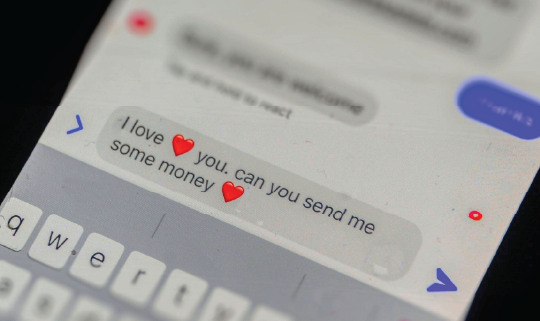
How Do Scammers Get So Much Information About Me?

Published May 15, 2024
More and more, scammers have been successful in their attempts to access your accounts due to the amount of personal information they have about their victims. It makes sense, the more someone knows about you, such as where you bank or live, or even names of family members, the more likely you are to trust their requests.

Read More