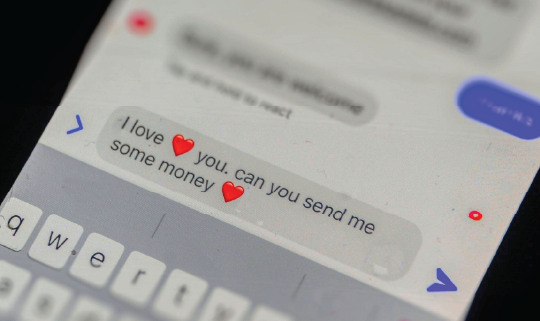

Scammers have always been here, but recently, text and phone fraud has become more frequent and more sophisticated than ever. People are noticing an increase in scam texts, calls, and even voicemails that appear to be from their financial institution. We understand how frustrating and concerning this can be.
Protecting our members is a top priority. That is why we want to help members stay informed and confident in recognizing and preventing these scams. By staying alert and knowing what to look out for, you can better protect yourself and others from financial loss.
Lately, scammers have become very creative in obtaining people’s personal information. They have found ways to send texts and spoof phone numbers of many different businesses and financial institutions. That is why it is more important than ever to be cautious when answering phone calls from unknown numbers, and numbers that may claim to be a business or financial institution.
It is also important to never click a link in a text message from an unknown number or from a message claiming to be from a business or financial institution. If the text is a scam, the link could give the scammer access to personal and sensitive information.
In these situations, there is often a sense of urgency and may pressure you to act quickly or offer something that sounds too good to be true to gain access to your personal and sensitive information. If you receive a phone call that feels suspicious or off, trust your instincts and hang up immediately. You can then contact that business or financial institution through a secure network to verify if it was them.
Here are some things that we will never call and ask you for:
-
Your Digital Banking login ID, password, or secure access code (SAC)
-
Your full MICR number
-
Your card PIN number
-
The CVV (3 digits) on the back of your card
While you may receive a phone call regarding an account issue, a particular card transaction, or to follow up on a request or inquiry, we will never ask for the information listed above. So, if you receive a phone call from a number claiming to be P1FCU and they ask for any of the information, hang up immediately, and reach out to us through one of our secure channels, here.
Staying cautious and taking a moment to step back and verify can help make all the difference in protecting your finances.