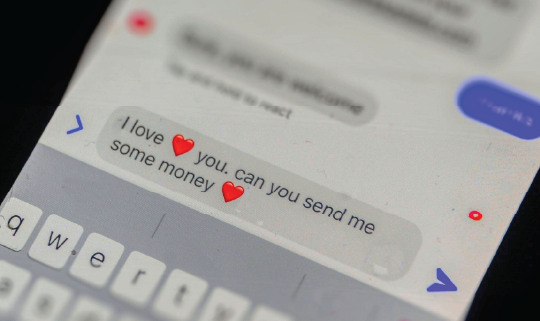

You may have heard of common phishing scams, romance scams, or cryptocurrency scams. But one that fraudsters are becoming more creative with and is starting to become more popular is the Law Enforcement scam.
This scam involves criminals posing as police officers, federal agents, or court officials who try to steal money or personal information from their victims. These scammers use spoofed caller IDs, call with a sense of urgency and threaten legal action over the phone.
Oftentimes, they may claim that a family member or loved one is in danger, that they missed jury duty, or that they have a past-due traffic ticket. To “help” them or avoid arrest, the scammers will demand payments that are untraceable, such as gift cards, cryptocurrency, or wire transfers. With these forms of payment, once the funds have left their victim’s account, the money is gone and the chances of them receiving the funds back are very low.
A mother received a phone call in the middle of her day. She sees that the caller ID is from the police department. After answering the call, they are told that a detective or police officer is contacting them because their daughter is in deep legal trouble and may be arrested.
At first, she didn’t believe the caller, and she decided to hang up the phone and try to call her daughter. But this scammer calls her right back, saying the call is important, of the utmost urgency, and that, for the sake of her daughter, she must make a payment to help her right away. No matter how many times she hung up the phone, they kept calling her back.
With the looming threat to her daughter’s safety and the urgency of the payment demand from the caller, the mother believes she must act quickly. With the scammer telling her to stay on the phone and strict instructions not to say what the funds are for, she drives to her local credit union and goes inside, ready to wire the funds to the place the fraudster has instructed.
Thankfully, the credit union staff are aware of the potential signs that someone could be caught in a scam. With the mother on the phone, hesitant to hang up, the urgent need to send the money without giving details, and the clear worry on her face, the staff at the credit union confirmed that this was a scam.
How to Protect Yourself
This mother’s story is a perfect example of a common tactic and storyline that fraudsters use to try to take your money.
Let’s break down the key signs to look out for.
-
Urgent Threats: Claiming that you, or someone close to you, is involved in a crime and faces arrest.
-
Spoofed Caller ID: Making the call appear to come from a real police department or government agency.
-
Pressure to Stay on the Line: Preventing you from verifying their story.
-
Untraceable Payments: Demanding payments through wire transfers, gift cards, or cryptocurrency
Along with key signs, here are ways to further protect yourself.
-
Hang Up Right Away: Legitimate law enforcement will not call to threaten you or demand money from you.
-
Verify the Source: Look up the agency’s phone number on an official website rather than using the caller's number.
-
Do not trust Caller ID: Technology allows scammers to fake phone numbers.
-
It Shouldn’t be a Secret: Be alert and be cautious if the caller demands that you keep the conversation and the situation confidential.
At the end of the day, scams like these are designed to create panic and push you into acting before you have time to think. The most important step you can take is to pause. Take a breath, hang up, and verify the situation through trusted sources or by contacting your loved one directly.
Remember, legitimate law enforcement agencies will never demand immediate payment over the phone or ask you to keep the financial transaction a secret. If something feels off, it is always worth double-checking.
If you, or someone you know, find themselves in a situation like this, reach out to your financial institution. Our team is here to help you spot red flags, protect your accounts, and give you peace of mind.
Staying informed is one of the best ways to prevent scams before they happen. You can read more tips and tricks on our website here.