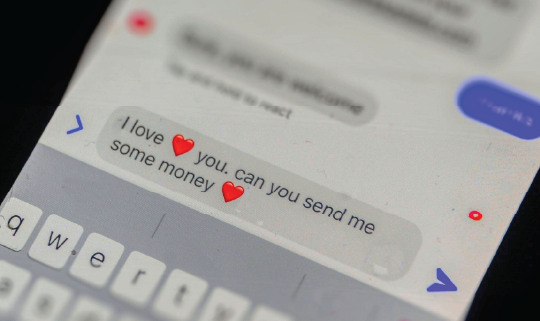

Every day, thousands of people fall victim to fraudulent emails, texts, and calls from scammers posing as legitimate businesses seeking access to their personal information and finances. These situations are known as phishing scams, and victims can lose hundreds or thousands of dollars.
These attacks rely on messages and calls that appear authentic but direct individuals to spoofed websites designed to steal login credentials or install malware, frequently creating a sense of urgency to pressure recipients into clicking malicious links or sharing sensitive information.
While it may seem like there is not much that can be done to avoid these scams, understanding how they work and recognizing the warning signs can go a long way in protecting yourself and your finances.
Scammers may use a familiar company name, your financial institution, or pretend to be someone you know. They can send a text or an email with a link to a false website. They could also call you pretending to be friends, family, or business.
These requests may seem legitimate, especially when scammers use personal details like your date of birth or employer to gain your trust.
They create a sense of urgency, claiming they need money or information immediately to protect your account, help a loved one, or confirm your login or password information to avoid something bad happening.
Don’t respond right away or act too quickly. Take a moment to review the message or request you received and ask yourself if it looks legitimate. Avoid clicking on any links that may be included in a message.
If you receive a call from an unknown number asking for sensitive information or pressuring you to act quickly, tell them you will call them back or just hang up. Then contact the business or financial institution again through a verified, secure channel.
Look for additional warning signs:
-
Is this a company you normally do business with?
-
Do you actually have an account with them?
-
Are there grammatical errors or misspellings?
-
Enable multifactor authentication to verify authorized accounts and create strong passwords.
-
Don’t click on anything in an unsolicited or unrecognized email or text message.
-
Never share confidential information through email, text, or over the phone.
-
If a message claims to be from a company, call that company directly on a verified, secure channel (not any contact information they may have sent through text or email).
Phishing scams are designed to look convincing, but with the right awareness and a few simple habits, you can stay one step ahead. Take a moment to pause, verify, and think critically. If something doesn’t feel right, trust your instincts. It’s always better to double-check than to risk falling victim to a scam.
Stay informed, stay cautious, and don’t hesitate to reach out to your financial institution with any questions or concerns about suspicious messages or requests. If you think you may have been a target of a phishing scam or any other type of fraud, we are here to help. Please contact us immediately by stopping in at your nearest branch, or through one of our secured channels here: https://www.p1fcu.org/contact-us
Looking for more information or tips to help protect your finances?