
At P1FCU, protecting members’ accounts is a top priority. While fraudulent activity continues to rise, and scammers becoming more creative and sophisticated in their tactics, knowing what to do if your account is compromised can make all the difference.
If you notice any unusual activity or believe your account has been hacked, follow the steps below to stop further fraud from happening and protect your finances.
Account compromise can show up in a variety of ways. Be on the lookout for:
-
Transactions you may not recognize.
-
You are unable to log in to your account.
-
Unexpected changes to your account information.
-
Password reset emails that you did not request.
-
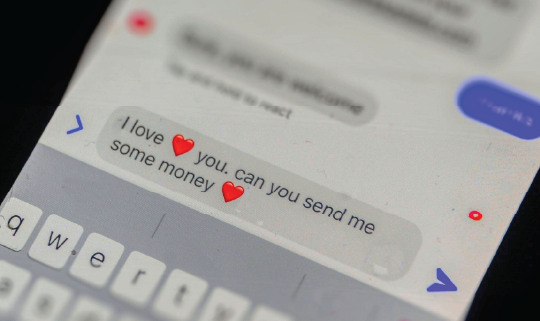
Your friends or family report getting emails or messages from you that you didn’t send (may include random links or fake requests for help or money).
Catching these warning signs can help prevent any further unauthorized or fraudulent activity on your account.
Take some time to review your recent transactions and any account activity. If something doesn’t look right or there are transactions that you don’t recognize, it is important to trust your instincts. Unfamiliar charges don’t have to be a large amount to raise a red flag. Even the smallest charges can be a sign of fraud.
If you believe there is fraud on your account or know your account has been compromised, contact your financial institution on a verified secure channel immediately.
By contacting them, they can:
-
Secure your account.
-
Dispute unauthorized transactions.
-
Reissue cards or update account information.
-
Provide guidance and next steps
The sooner you contact your financial institution about it, the sooner they can stop transactions and activity from going through, minimizing potential losses.
Once you know your account is secure, take time to review any other financial accounts you may have. You can look for:
-
Additional unauthorized transactions or activities.
-
Check any linked accounts that may be affected.
-
Changes to your personal or login information.
Taking a moment to check these, it helps ensure that all potential risks are addressed, and you can have more peace of mind.
Protect your accounts moving forward by updating all your login credentials:
-
Create strong and unique passwords.
-
Enable multi-factor authentication when possible.
-
Avoid using the same password across multiple sites.
-
Change any security questions you have on your account.
By doing so, it adds an extra layer of protection to your financial information.
If your personal information may have been exposed while your account was compromised, it is important to monitor your credit for any unusual activity. You can take this a step further by placing a fraud alert or credit freeze for added protection.
If you need to take this step, be sure to contact all three major credit bureaus: Equifax, TransUnion, and Experian. By doing so, they can monitor your accounts in the months following the account hack. Click here to read more about placing a fraud alert or freeze on your credit.
Reporting fraud can help you recover more quickly and prevent further damage. You can file a report with the Federal Trade Commission at IdentityTheft.gov to create a recovery plan and document the incident.
We are committed to helping our members protect their finances. If you ever have concerns about your account, don’t hesitate to reach out. Our team is ready to support you with the tools, guidance, and care you need to move forward with confidence.
Stop by your closest branch today, or speak with someone through one of our secured channels here.
Looking for more tips and tricks to help protect your finances? Visit https://www.p1fcu.org/fraud-protection for more information.