
In today’s world, it is easy to connect, share, and conduct business online, but it’s also easier for scammers to try and take advantage of that trust. Scammers have become very creative and skilled. They use believable stories to trick people online.
This includes online romances, job searches, and finding new homes. They aim to steal money and personal information. Fortunately, there are several ways to recognize the warning signs of these common scams to protect your finances.
Romance Scams
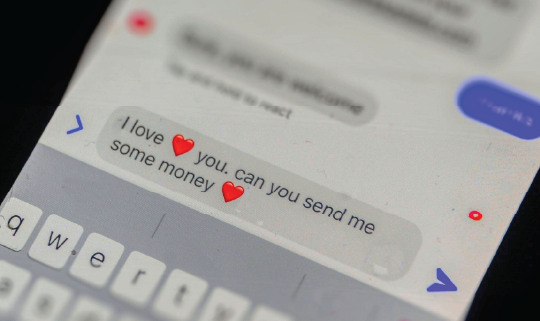
As online networking, dating, and socializing become increasingly common, unfortunately, so do romance scams. These are instances in which scammers use a fake profile and persona to establish emotional connections with someone, enabling them to manipulate and steal money. They work to create trust with their potential victim, use emotional manipulation, and create fake scenarios in which they ask victims to send money. These scenarios can include medical emergencies, travel plans, bail money, or overdue bills.
What are some warning signs to look out for? One is if the scammer refuses to meet in person. They can make multiple excuses as to why they can’t meet face-to-face. Another sign is that they quickly request money through gift cards, wire transfers, and cryptocurrency. Scammers may also create sob stories or be overly affectionate early in the relationship, even before meeting in-person or after a very short time.
Here is how you can protect yourself from these sorts of scams. Never send money or share any financial information with someone that you have only spoken to online. Be skeptical and careful of requests for money, and never share any personal or financial information with them.
Employment Scams
When searching for a job, people go through many postings and applications. Scammers are aware of this and create fake job postings that require upfront payments and fees. For example, they may ask for an application fee, fees for sending you equipment for a new job, or fees for training.
Before engaging with the potential employer, here are some tips to help protect yourself from this type of scam. Take time to research the company and be sure to only use well-known or legitimate job boards and websites. Verify the contact information, determine if the website looks professional, and look for any reviews or complaints about the website or company. Treat job offers and opportunities with caution, especially if they are received through texts, social media, or emails.
Renter Scams
While not as common as other scams, a renter scam occurs when a scammer creates a fake listing that tricks potential renters into sending them money or sharing personal information. Whether that involves an application fee or a security deposit, scammers can create tactics to receive funds or personal information.
In renter scams, there may be pressure to pay immediately. Scammers can create a sense of urgency to rush you into paying an application fee or a deposit for the first month’s rent without even seeing the property. Some individuals may request payments in a different format, such as wire transfers or gift cards, which can be difficult to trace and often provide no means of recovering the funds.
To help avoid these rental scams, always seek to check the property in person before paying anything. Never pay before signing a lease and request a meeting with the landlord or agent in person. You can also check the listing to verify that the address is correct and if the property is listed elsewhere with the same information. Another way of doing so is taking the time to research rental and real estate agencies to make sure a listing is legitimate.
Scammers are always finding ways to trick people, but staying alert and informed is the best defense. Remember that you are in control of your information. If something doesn’t feel right, never hesitate to slow down, do some research, ask questions, and protect yourself.
Make sure to subscribe to our newsletter and podcast for more tips on staying confident, vigilant, and protected on your financial journey!