
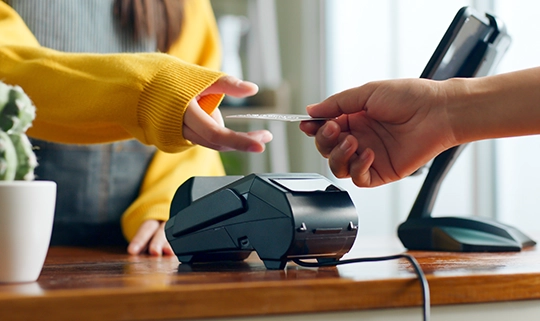
Credit cards are a common part of everyday spending. According to the Federal Reserve, approximately 82% of U.S. adults had at least one credit card in 2025. But understanding how to use a credit card responsibly is just as important as having one. When used thoughtfully and carefully, a credit card can help you build credit, track spending, and take advantage of rewards and other benefits.
Here are a few ways to make your credit card work for you while keeping your financial goals on track:
How Your Credit Card Works
A credit card gives you access to a revolving line of credit that allows you to make purchases up to a set limit and repay the balance over time. Let’s take a closer look at the terms and what they actually mean.
-
Credit Limit – This is the maximum total balance you are allowed to carry on the card at one time.
-
APR – This stands for Annual Percentage Rate. This is the yearly interest rate charged on unpaid balances.
-
Billing Cycle – This is the set period of time when the card issuer tracks your purchases, usually 28 to 31 days. At the end of the cycle, you receive your statement, which shows your total purchases, fees, minimum payment due, and the payment due date.
-
Statement Balance – The total amount you spent during the most recent billing cycle.
-
Minimum Payment – This is the smallest amount you must pay by the due date to keep your account in good standing.
Learning how your credit card works and understanding the terms can help you make informed decisions and avoid any unnecessary costs.
Use Your Card to Your Advantage
With a better understanding of how a credit card works, we can now look at ways to use it to your advantage. When used responsibly, a credit card can help you build credit and strengthen your credit score and profile over time.
-
Making Your Payments – Your payment history accounts for 35% of your credit score, so paying on time is very important. If possible, pay your statement balance in full before the due date to avoid high interest charges.
-
Credit Utilization – This is the percentage of your available credit limit that you currently use. Keeping your balance below 30% shows that you manage debt responsibly.
-
Track Spending and Budgeting – Your card’s online and mobile tools can make it easier to track your spending and see where your money goes each month. By staying on top of your spending, you can help keep yourself within your budget and adjust as needed.
-
Make the Most of the Rewards and Benefits – Depending on which credit card you choose, cash back, travel rewards, and points may be available. Earning rewards and points can be beneficial, but it’s important to stay within your budget and avoid carrying a balance just to earn rewards. Keep in mind that paying interest to earn rewards can outweigh the value of the rewards themselves.
Making on-time payments, paying your balance in full, and maintaining a healthy credit utilization ratio show lenders that you manage credit responsibly and can build and improve your credit score. Over time, this can lead to better credit offers, higher credit limits, and more lending options for you, helping you reach your financial goals.
Know When to Be Cautious
While credit cards can be a helpful financial tool, it’s important to avoid spending beyond what you can afford to repay. Be mindful of cash advances, fees, and interest charges that can make purchases more expensive over time. If you’re already carrying a balance, review your budget and interest rate to determine how much you can put toward repayment each month. Paying more than the minimum payment, when possible, can help you reduce interest costs and pay down your balance faster.
Make Your Credit Card Work for You
Learning how to use a credit card responsibly can open the doors to more financial opportunities. Paying your bills on time, keeping your credit card balance low, and treating your card as a financial tool can all help you work towards your financial goals. Using your credit card wisely can help you build credit, earn rewards, and support your overall financial well-being.
Have questions about credit cards? At P1FCU, we offer credit card options for different spending and borrowing priorities. Visit https://www.p1fcu.org/credit-cards to learn more and apply online today.
If you have questions or would like to speak to someone about P1FCU credit cards, contact us below.