
College can be one of the biggest investments a family makes, and managing college finances can be stressful. But what if students could begin earning college credits before graduating high school, often at little to no cost? Through Idaho’s dual credit program, students can get a head start on their education while potentially saving thousands of dollars on future college expenses.
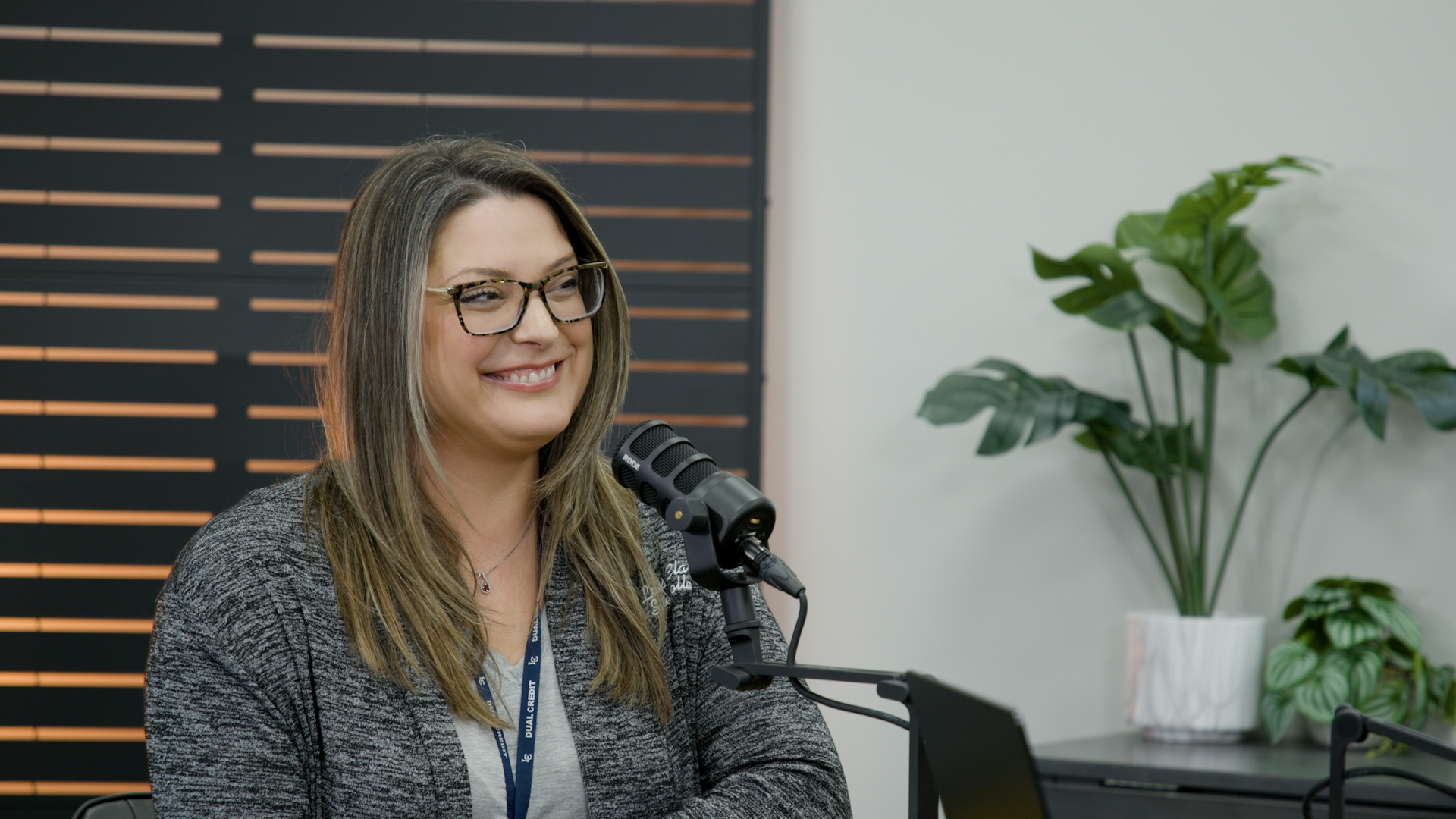
In this episode of Making Sense of Money, we sat down with Ashley James from the Early College Programs at LC State College in Lewiston, Idaho. She shares how students can earn college credit while still in high school, and how much of the tuition for dual credits is covered by the state’s Advanced Opportunities program.
What is Dual Credit?
Dual credit is a program that allows high school students to take college-level classes and earn both high school and college credits at the same time. These credits can count toward high school graduation requirements and toward a college certificate or degree.
“We want those credits to be working toward something, whether that’s a certificate, a career, or a degree,” Ashley shares.
Many families don’t realize just how many college courses are available through these programs. Eligible students may have access to an entire college catalog, giving them the opportunity to begin earning credits early. While getting ahead academically is a major benefit, one of the biggest advantages is the potential to significantly reduce future college costs.
A Smart Way to Save on College Costs
Many may assume taking college courses in high school comes with extra expenses. However, Idaho’s Advanced Opportunities program helps make these courses much more affordable.
Ashley shares how the state of Idaho sets aside $4,625 per public school student. This can be used for dual credit expenses. Through LC State, dual credit tuition is $75 per credit, which is typically covered by the Advanced Opportunities program. The only thing families may need to purchase are textbooks or pay small course-related fees, depending on the class. So even if a student only takes one class, they are still saving a significant amount of money.
More Than Finances
Saving money is only one benefit of dual credit. Taking college courses while still in high school also gives students the opportunity to explore career interests, discover their strengths, complete general education requirements early, and build confidence in a college-level learning environment while still having support from their high school.
“Every student’s goal is different, and dual credit can help them get there,” she said.
Who Can Participate?
Through LC State, the minimum requirements are that a student must be at least 14 years old and have at least half of their high school graduation requirements completed. Because these courses are designed for college students, those who want to participate in dual credit need to be academically prepared for college-level coursework. The most important factor is ensuring that students are academically prepared for college-level coursework.
Getting Started
Dual credits open the door to many opportunities for high school students. With all the information, programs, and courses available, it can be an overwhelming thing to start.
Ashley encourages everyone to start by talking with their high school counselor. “There may already be dual credit opportunities available that you don’t even know about,” she said.
Speaking with a school counselor or college and career advisor is one of the best first steps. They can help students explore available courses, understand eligibility requirements, and find the resources they need to get started.
Dual credit offers students an opportunity to save money, gain valuable college experience, and begin working toward their future while still in high school. Whether a student’s goal is to earn a degree, learn a trade, or explore career options, taking advantage of these opportunities can make higher education more affordable and help them enter their next chapter with confidence.
To learn more about dual credits and the Advanced Opportunities program, listen to the full podcast here.
Looking for more financial tips and tricks? Check out our blog here.